
Compare Local Contractors for Safe and Reliable Pool Fencing
Compare local contractors for pool fencing to define project scope, verify experience, and set clear expectations in writing for a successful installation.
Pool fencing projects typically include the installation of barriers designed to enclose a swimming area, ensuring safety and compliance with local regulations. Work may involve selecting appropriate fencing materials, such as metal, wood, or vinyl, and handling tasks like measuring, cutting, and securing panels or rails. Some contractors also offer additional features like gates with latches or decorative elements to match the property's style. Clarifying the scope of work helps property owners understand what is included, whether it’s just the fencing installation or if additional elements like post-setting or finishing touches are part of the project.
Defining the scope of a pool fencing job is essential to establish clear expectations and avoid misunderstandings. Property owners should specify the type of fencing desired, the number of sections or panels, and any special requirements such as height or security features. It’s also important to confirm whether the scope includes site preparation, foundation work, or cleanup after installation. Having these details documented in writing ensures both parties are aligned on what will be delivered, reducing the potential for surprises and facilitating smoother project execution.
When comparing local contractors for pool fencing, property owners should consider the experience and reputation of each service provider. Checking references or reviews can provide insights into the quality of their work and reliability. It’s also helpful to verify that contractors have a consistent track record with similar projects and understand local building codes or regulations. Asking for detailed proposals that outline the scope of work, materials, and responsibilities allows for a straightforward comparison, helping property owners choose service providers who can meet their specific needs and expectations.
Compare local contractors by outlining priorities, verifying experience, and clearly defining project scope and expectations.
- Compare Contractor Experience - Review the backgrounds and project histories of local contractors to ensure they have relevant experience in pool fencing.
- Define Project Scope Clearly - Establish detailed expectations and specifications to align with the selected service provider.
- Verify Credentials and References - Check references and verify the credentials of local contractors to confirm their reliability and expertise.
- Document Agreements in Writing - Ensure all project details, scope, and expectations are confirmed through written agreements with the chosen contractor.
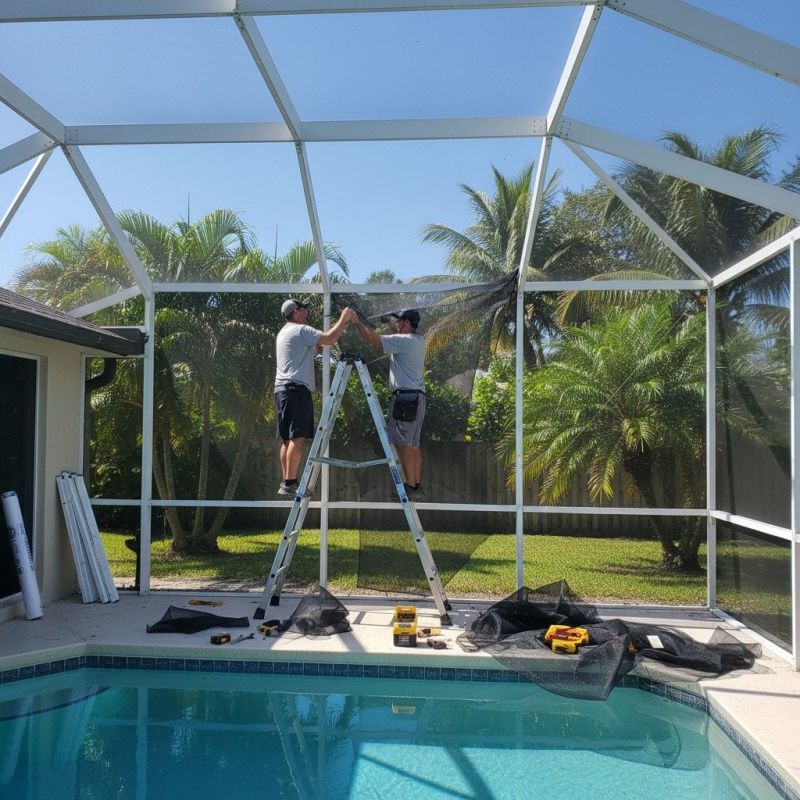
Clearly describe your pool fencing project to help compare local contractors, define scope, verify experience, and set expectations in writing.
- Verify that the fencing material complies with local safety standards and regulations. - Ensure that the fencing options meet relevant safety requirements for pool enclosures.
- Assess the durability and weather resistance of the fencing materials used by the contractors. - Look for service providers who specify high-quality, weather-resistant fencing options.
- Confirm that the scope of work includes all necessary components such as gates, latches, and hardware. - Make sure contractors clearly define the included features and hardware for the fencing installation.
- Check that the fencing height and design adhere to local safety codes and pool area requirements. - Ensure local contractors are knowledgeable about specific height and design regulations.
- Discuss with service providers how they plan to ensure the fencing is securely installed and stable. - Clarify the installation methods used to achieve a secure and stable fence.
- Request written details outlining the scope of work, materials, and warranty terms from potential contractors. - Obtain clear, written agreements that specify all aspects of the fencing project.
Use this to compare contractors, clarify scope, verify experience, and set clear expectations in writing.
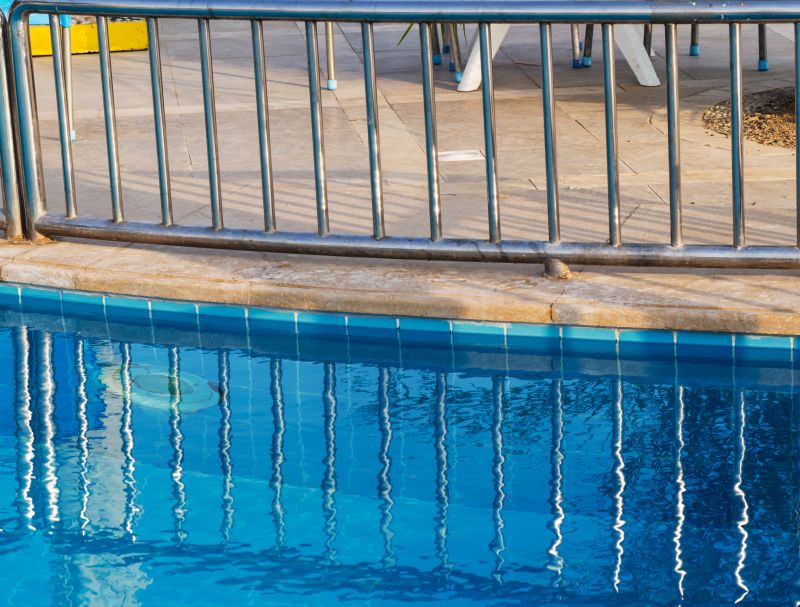
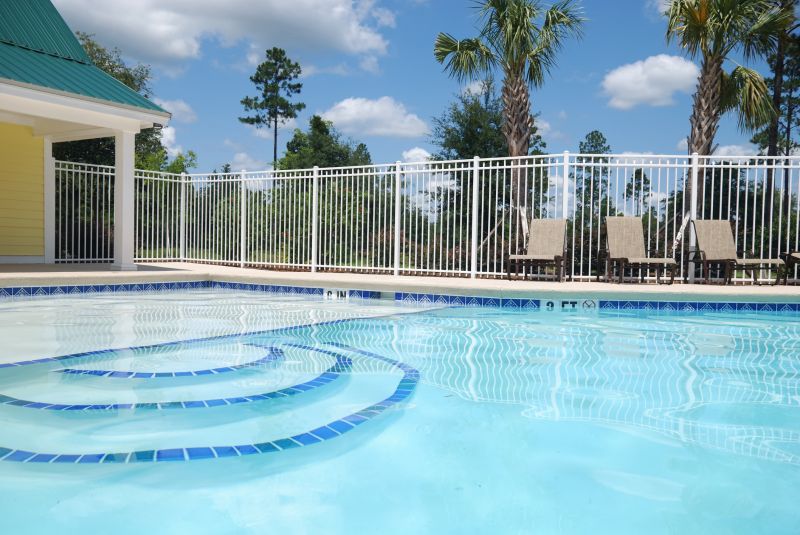
Learn how to compare, define scope, verify experience, and set clear expectations with local contractors for pool fencing.
- Define fencing materials and design options - specify the types of materials and styles that meet safety and aesthetic preferences.
- Determine fencing height and barrier specifications - establish the required height and barrier features to comply with safety standards.
- Identify required gates and access points - outline the number, placement, and locking mechanisms for gates and access points.
- Clarify installation site scope and boundaries - delineate the exact area where fencing will be installed to ensure accurate scope definition.
- Verify contractor experience and references - ensure local contractors have relevant experience and can provide references related to pool fencing projects.
When comparing contractors for pool fencing, it’s important to consider their experience with similar projects. Service providers who have a proven track record in installing pool fences can demonstrate familiarity with common challenges and best practices. Asking about previous work that closely matches the scope of the current project can help gauge their expertise and confidence in delivering quality results. An experienced contractor will be able to provide insights into design options, materials, and installation techniques that are suited to specific pool types and yard layouts.
A clear, written scope of work is essential for ensuring mutual understanding and setting expectations. When evaluating contractors, look for detailed proposals that outline the specific tasks to be completed, the materials to be used, and the approximate process involved. This documentation helps prevent misunderstandings and provides a reference point throughout the project. Service providers who can articulate their approach and clarify what is included in their scope demonstrate professionalism and transparency, making it easier to compare options effectively.
Verification basics are key to assessing a contractor’s reliability and professionalism. While licensing and certification are not the focus here, it’s important to verify that the contractor has a history of completed projects and positive references. Requesting references or examples of past work allows homeowners to confirm the quality of previous installations. Additionally, checking for any complaints or disputes through local consumer agencies can provide further insight into a contractor’s reputation. These steps help ensure that the chosen service provider is capable of delivering satisfactory results.
Evaluating options without considering prices involves examining the quality of communication, scope clarity, and experience. Homeowners should compare how well each contractor understands the project’s needs and whether they can provide detailed, written proposals. Consider how thoroughly they explain their process and whether their experience aligns with the specific requirements of the pool fencing project. By focusing on these factors, homeowners can make informed decisions based on professionalism and project fit, leading to a successful outcome through the selection of the most suitable local service providers.
Ask contractors to provide written scope details to ensure clear expectations and consistent project understanding.
- Experience and Qualifications - What experience do local contractors have with installing pool fencing similar to the scope needed?
- Scope of Work - How do contractors define and clarify the specific tasks included in their pool fencing services?
- Material Options - What types of fencing materials do service providers recommend, and how do they compare in terms of durability and maintenance?
- Warranty and Guarantees - What warranties or guarantees do local contractors offer for their pool fencing installations?
- Project Expectations - How do service providers outline the project scope, responsibilities, and deliverables in writing to ensure clear expectations?
How can I compare pool fencing contractors effectively? To compare local contractors, review their experience, verify references or reviews, and ensure they provide clear written scope and expectations for the project.
What should I consider when defining the scope of my pool fencing project? Clearly outline the type of fencing, material preferences, property boundaries, and any specific features or safety requirements to ensure the contractor understands the full scope.
How do I verify the experience of a pool fencing service provider? Ask for details about their previous work, request references, and check reviews or ratings to gauge their familiarity with the type of fencing needed.
Why is it important to have a written agreement with a contractor? A written agreement helps set clear expectations, defines the scope of work, and provides a record of what has been agreed upon, reducing misunderstandings.
What questions should I ask a contractor before hiring for pool fencing? Inquire about their experience, materials used, installation process, warranty policies, and how they handle project scope changes or unforeseen issues.
How can I ensure the contractor understands my specific needs? Communicate your requirements clearly in writing, discuss project details upfront, and confirm that the scope aligns with your expectations before work begins.
This page has provided an overview of key considerations for choosing contractors to install pool fencing. Visitors have learned how to define the scope of the project, verify the experience of service providers, and set clear expectations in writing to help ensure the work aligns with their needs. Comparing local contractors can help identify options that match specific requirements and preferences.
To find the right partner for pool fencing, it’s recommended to use the quote form to connect with local contractors. This allows for a straightforward way to explore available service providers, gather information, and make informed decisions based on the options in the area.